Discover PlayDecide. Download games, prepare, play. GET STARTED

Impacts of Human Activities upon the Eagleby Wetlands

Choose your language

PlayDecide games may be available in multiple languages

Play the game

Download, prepare, discuss & collect results.

SIGN INRegister

In this activity, you will explore different viewpoints about the use of the Eagleby Wetlands. You will consider environmental, ethical, and cultural perspectives and make a decision about how the land should be used.

Author / translator Sarndra Wauchope

In this activity, you will explore different viewpoints about the use of the Eagleby Wetlands. You will consider environmental, ethical, and cultural perspectives and make a decision about how the land should be used.
The Eagleby Wetlands are made up of different ecosystems. An ecosystem is a place where plants, animals, water, soil, and air interact with each other. Ecosystems at the Eagleby Wetlands include freshwater lagoons, tidal rivers, Melaleuca marsh, and woodlands.
Each ecosystem supports different types of living things, which means the Eagleby Wetlands have high biodiversity. Biodiversity means a large variety of plants and animals. The wetlands provide food, shelter, and breeding areas for birds, fish, frogs, insects, and plants. Healthy wetlands are important for keeping ecosystems balanced and water clean.
The environment of the Eagleby Wetlands changes naturally over time due to weather, rain, flooding, and fire. However, human activities can also cause changes. The Yugambeh People are the traditional owners of the wetlands and have lived sustainably, caring for Country for over 65 000 years. Today, human activities such as building homes near the wetlands, constructing roads like the Coomera Connector, and operating the nearby sewerage treatment plant are changing the environment and damaging the ecosystems. This can lead to a decrease in biodiversity at the wetlands.

Created 15 April 2026
Last edited 25 April 2026
Topics Environment

Policy positions

Policy position 1

Position 1: Human activities must continue, even if the wetlands are harmed
Homes, roads, and services should continue to be built near the Eagleby Wetlands to meet the needs of people living in Logan and the Gold Coast. These developments do damage the wetlands and reduce biodiversity, but this cannot be avoided. Human needs are more important than protecting the wetlands, so development should continue as planned.

Policy position 2

Position 2: Human activities are important, but impacts should be reduced
Homes, roads, and services should continue to be built near the Eagleby Wetlands, but their impact should be reduced. Development damages ecosystems and lowers biodiversity, so rules should be used to limit pollution, protect some areas, and repair damage where possible. Human needs come first, but people have a responsibility to reduce harm to the wetlands.

Policy position 3

Position 3: The environment should be prioritised over human activities
The Eagleby Wetlands are environmentally and culturally important and support high biodiversity. Human activities like building homes, roads and services damage ecosystems. Protecting the wetlands should be more important than development. Decisions should follow advice from scientists and the Yugambeh People, and harmful activities should be reduced or moved away.

Policy position 4

Position 4: The wetlands must be fully protected
The Eagleby Wetlands have high biodiversity and must be fully protected. All human activities that damage the wetlands, including building homes, roads, and services, should not be allowed. Protecting the environment is more important than human needs. Any actions that cause harm to the wetlands should be stopped.
Story cards

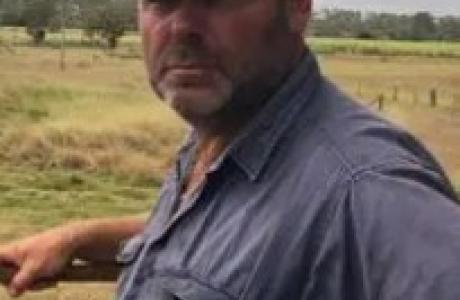
My name is Mick Herse, and my farm is in the path of the Coomera Connector.
My family has worked this land since 1864.
I believe the road will destroy my livelihood and my family’s future.
Farmers like me feel we are being asked to give up too much.

Farmer: Mick Herse

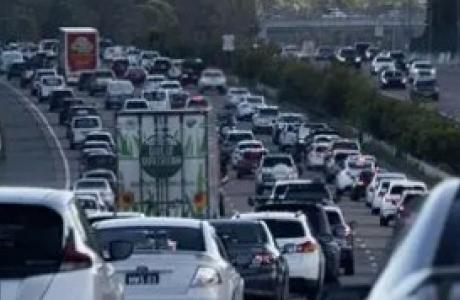
I use the M1 every day to get to work.
Traffic is often slow and sometimes comes to a stop.
I support the Coomera Connector because it could reduce congestion.
I know the road will affect others, and that concerns me.

Daily commuter on the M1

I am a truck driver who delivers goods to businesses.
Heavy traffic on the M1 causes delays and increases costs.
A new road could make deliveries safer and faster.
However, the impacts on local communities should be carefully managed.

Delivery Driver
Thumbnail

I live close to where the new road is planned.
I am worried about noise, lights, and air pollution.
This could affect my sleep and family life.
I want my neighbourhood to be protected.

Local Resident
Thumbnail

The Coomera Connector is a desperately needed road.
The population in this region is growing very quickly.
The road will help reduce pressure on the M1.
I know some homes will be affected, but planning looks to the future.

Transport Minister and government planner

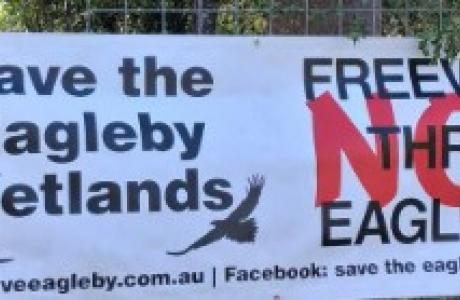
We are a local group working to protect the Eagleby Wetlands.
The wetlands support wildlife and help reduce flooding.
We are concerned the road will damage this environment.
We believe safer alternative routes should be considered.

Eagleby Wetlands Group

I understand the need for better roads.
However, I oppose building a road through the Eagleby Wetlands.
These wetlands are environmentally important.
I will not support development that damages them.

Local Politician
Story card - no image
Indigenous Knowledge Holder

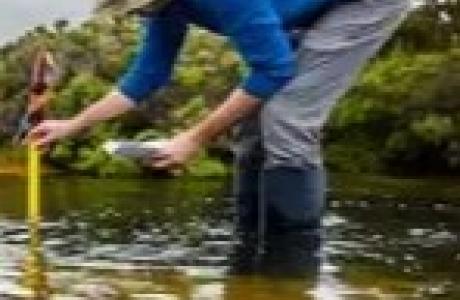
I am a scientist who studies wetlands.
Surveys show the Eagleby Wetlands provide important habitat.
Wetlands also improve water quality and reduce flooding.
Damaging them can cause long-term environmental problems.

Scientist

INFO CARDSISSUE CARDS

Is the Coomera Connector necessary?

The Coomera Connector is planned to reduce traffic on the M1.
It is described as an important road to support population growth.
However, it will affect homes, farms, and wetlands.
How do we decide whether this road is truly necessary?

Who should pay the price?

Some people will benefit from faster travel and less congestion.
Other people may lose land, homes, or their local environment.
These impacts will not be shared equally by everyone.
Is it fair for a small number of people to carry most of the cost of development?

Human needs or environmental protection?

The population in this region is growing quickly.
New roads can support jobs, transport, and economic growth.
Wetlands are important ecosystems that are difficult to replace.
Which is more important?

Can damaged wetlands be replaced?

Roads and bridges can be designed and rebuilt using technology.
Natural ecosystems like wetlands are complex and take a long time to form.
Once wetlands are damaged, they may never fully recover.
Should this affect how decisions about development are made?

Are there better alternatives?

The Coomera Connector is one solution to traffic congestion.
Other options include public transport or changing road routes.
Some alternatives may cost more or take longer to build.
Should alternatives be explored before building the road?

Thinking about future generations

The road will affect the area for many decades.
Future generations will live with the outcomes of today’s decisions.
These impacts cannot easily be undone.
How much responsibility do we have to protect land for the future?

What counts as evidence?

Different groups use different types of evidence.
Scientists use data, residents use lived experience, and Traditional Owners use cultural knowledge.
Governments use planning rules and population forecasts.
Which types of evidence should matter most when decisions are made?

Can compromise work?

Some people strongly support the road, while others oppose it.
Possible compromises include changed routes or added protections.
Not everyone may agree with these solutions.
Is compromise a fair way to make decisions about land use?

What is the Coomera Connector?

The Coomera Connector is a planned motorway between Logan and the Gold Coast.
It is being built to reduce traffic on the M1.
The road is designed to support future population growth in the area.

Why is the population in the area growing?

The Logan and Gold Coast regions are growing quickly.
More people are moving to the area for work, housing, and lifestyle.
Population growth increases the number of cars using existing roads.

How busy is the M1?

The M1 is one of Queensland’s busiest highways.
Traffic jams are common, especially during peak hours.
Crashes or roadworks can cause long delays for commuters and freight.

How many homes will be affected?

The Department of Transport and Main Roads has notified residents in Eagleby.
Some homes will be demolished, and others will be impacted.
These changes can affect families, communities, and neighbourhoods.

What are the Eagleby Wetlands?

The Eagleby Wetlands are a natural wetland area in Logan.
They support wildlife, including birds, plants, and aquatic species.
Wetlands also help absorb floodwater and improve water quality.

Why are wetlands important?

Wetlands act like natural sponges during heavy rain.
They reduce flooding and slow down water flow.
They also provide important habitats for native and migratory animals.

Birds of the Eagleby Wetlands

The Eagleby Wetlands are home to over 200 different bird species, including waterbirds and migratory birds.
Regular surveys have recorded large numbers of birds using the wetlands.
These bird numbers show the wetlands are an important habitat.

How might roads affect the wetlands?

Building roads can remove vegetation and disrupt habitats.
Noise, light, and pollution can affect animals living nearby.
Once wetlands are damaged, they are very difficult to restore.

How do scientists study wetlands?

Scientists use surveys to study plants and animals in wetlands.
They count species, track changes over time, and assess habitat health.
This information helps governments make planning decisions.

Why is the survey of the Latham's Snipe important?

Latham’s Snipe is a migratory bird protected under Australian law.
Surveys in the area recorded 22 Latham’s Snipe near the Eagleby Wetlands.
Finding 18 or more birds triggers extra environmental assessment.

What is the EPBC Act?

The EPBC Act is a federal Australian law that protects important plants, animals, and ecosystems.
It applies when development may harm nationally protected species or environments.
Projects may need approval before they can continue.

How did traditional owners use the land?

The Yugambeh People are the Traditional Owners of the Eagleby Wetlands area.
They used the land sustainably for food, tools, shelter, and cultural practices.
Scar trees show where bark was taken, and native plants and animals were used for food and medicine.

Discover PlayDecide. Download games, prepare, play. GET STARTED

Register to download vote results of this PlayDecide game.Register